Basketball Materials Explained: A Practical Guide for Custom and Wholesale Buyers
When you order custom basketballs, the material choice affects almost everything: grip, bounce, durability, indoor or outdoor use, printing quality, and final cost. Two basketballs can look similar on the outside but perform very differently once they hit the court. This guide breaks down the most common basketball materials and explains how to choose the right one for your team, school, club, or wholesale program.
1. Surface Materials: What You Touch and See
The outer cover is the most visible part of a basketball. It determines how the ball feels, how well it grips, and how long it lasts.
Rubber
Rubber basketballs are the most durable and affordable option. They are usually molded rather than laminated, which makes them resistant to rough outdoor surfaces. The trade-off is feel: rubber balls tend to be harder and offer less grip than synthetic leather. They are a smart choice for street courts, school playgrounds, and recreational outdoor use.
PVC
PVC is a synthetic material often used for entry-level basketballs. It is cheaper than PU and works fine for casual play, but it does not offer the same soft touch or long-term durability. For serious training or competitive play, PVC is usually not the best choice.
PU (Polyurethane)
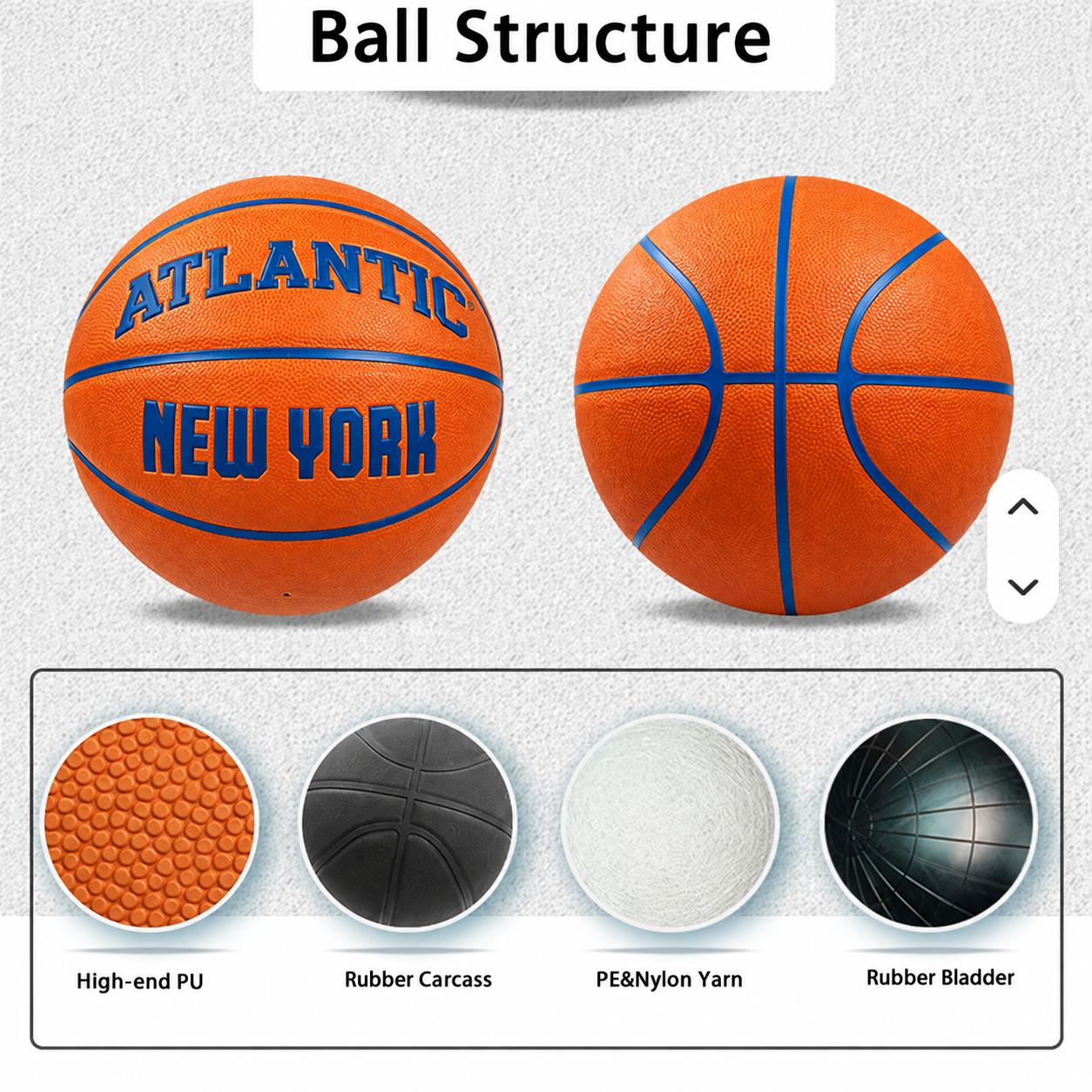
PU is one of the most popular materials for custom basketballs. It offers a good balance of grip, softness, durability, and price. PU balls work well for both indoor and outdoor courts, which makes them a flexible option for schools and clubs. They also accept logo printing and color customization very well.
Microfiber Leather
Microfiber leather, sometimes called Japanese microfiber or microfiber PU, is a premium synthetic material. It has a soft, leather-like feel and excellent moisture absorption. Players often prefer it for indoor training and competitive games because it provides a reliable grip even when hands get sweaty. Microfiber balls are more expensive than standard PU, but they deliver a professional feel and strong durability.
Genuine Leather
Genuine leather is the traditional choice for professional-level basketballs. It offers the best feel and control once broken in, but it requires careful maintenance. Leather balls are not ideal for outdoor use or wet conditions. They are also the most expensive option, so they are usually reserved for professional leagues and high-level competition.
Composite or Synthetic Leather
Some basketballs use a composite cover that blends different synthetic materials. These balls try to combine the feel of leather with the durability of synthetics. Quality varies widely, so buyers should ask for material samples before placing a large order.
2. Bladder Materials: The Inside Matters Too
The bladder is the inner air chamber. It affects air retention, bounce, and how often the ball needs to be inflated.
Butyl Bladder
Butyl bladders are known for excellent air retention. They keep the ball inflated longer, which is convenient for schools and clubs that do not want to pump balls every week. They are common in indoor and all-purpose basketballs.
Natural Rubber Bladder
Natural rubber bladders offer good elasticity and a responsive bounce. They are widely used in many basketballs and provide a solid performance at a reasonable cost.
Latex Bladder
Latex bladders deliver superior bounce and a soft feel. They are often found in premium basketballs. However, latex tends to lose air faster than butyl, so it requires more frequent inflation.
3. Winding and Carcass: The Hidden Structure
Between the bladder and the outer cover, many basketballs have a layer of nylon or polyester winding. This winding helps the ball keep its shape, improves structural strength, and supports air retention. A well-wound carcass is one of the differences between a cheap ball and a durable one.
4. Construction Methods: Vulcanized vs. Laminated
Vulcanized Basketballs
Vulcanized balls are made by molding rubber under heat and pressure. They are durable, water-resistant, and ideal for outdoor use. Most rubber basketballs are vulcanized.
Laminated Basketballs
Laminated balls are made by attaching pre-cut panels to the carcass. This method is used for PU, microfiber, and leather basketballs. It allows for a softer feel and better control, but the ball should be used on appropriate surfaces to avoid premature wear.
5. How to Choose the Right Material
Use this quick guide based on your needs:
Use Case Recommended Material
Outdoor street courts Rubber or durable PU
School training PU or microfiber
Indoor club training Microfiber or PU
Professional competition Microfiber or genuine leather
Custom logo printing PU or microfiber
Budget wholesale orders Rubber or PVC
Premium custom projects Microfiber or genuine leather
6. Customization Considerations
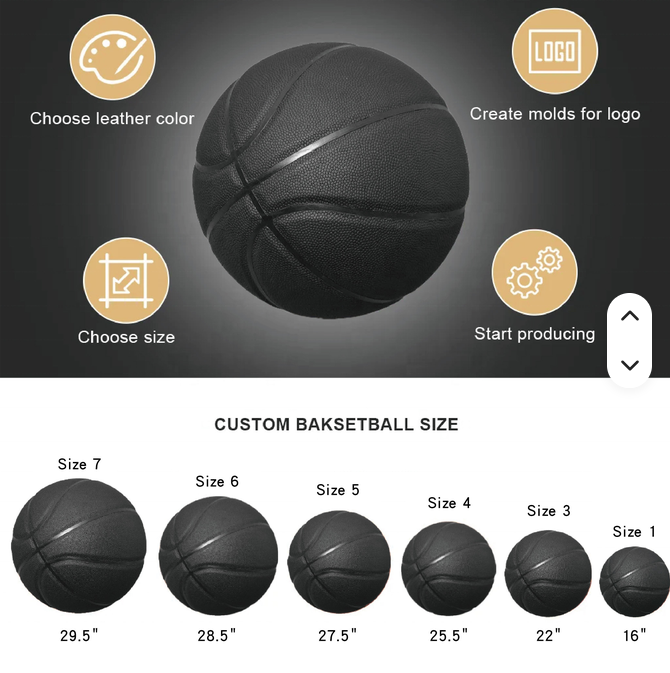
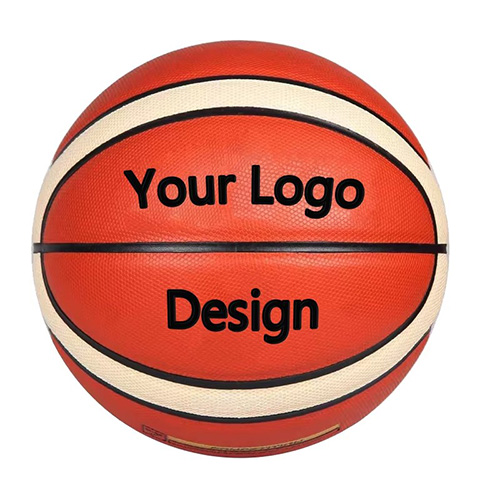
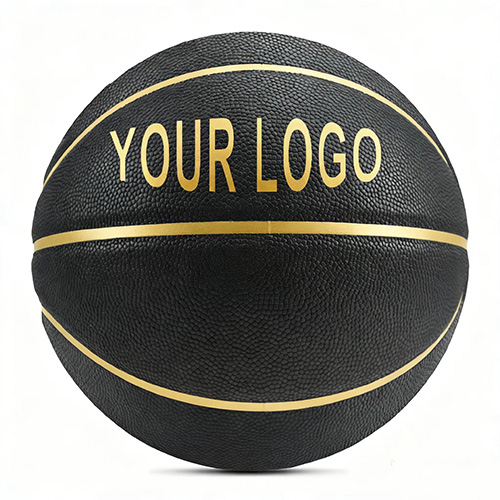
If you are ordering custom basketballs with your logo, the material affects how well the design will print and how long it will last.
Screen printing works well on rubber and PU.
Heat transfer is suitable for PU and microfiber and can handle more colors.
Debossing gives a premium look on microfiber and leather but may not be ideal for complex artwork.
Full-color printing is possible on some synthetic materials, but it usually increases cost.
For wholesale buyers, it is important to balance material quality, printing method, minimum order quantity, and shipping cost. A material that looks good in a sample may not perform well in large-scale production if the factory does not have the right equipment or quality control.
Final Thoughts
There is no single “best” basketball material. The right choice depends on where the ball will be used, how often it will be played with, and what your customers expect. Rubber is durable and affordable. PU is versatile and cost-effective. Microfiber offers a premium feel. Genuine leather is the traditional top choice for professional play.
If you are sourcing custom basketballs for schools, clubs, or wholesale programs, ask your supplier for material samples and test them under real playing conditions. The material you choose will shape your product’s performance, your brand’s reputation, and your customers’ satisfaction.

评价
目前还没有评价