What is the Best Rugby Ball Material
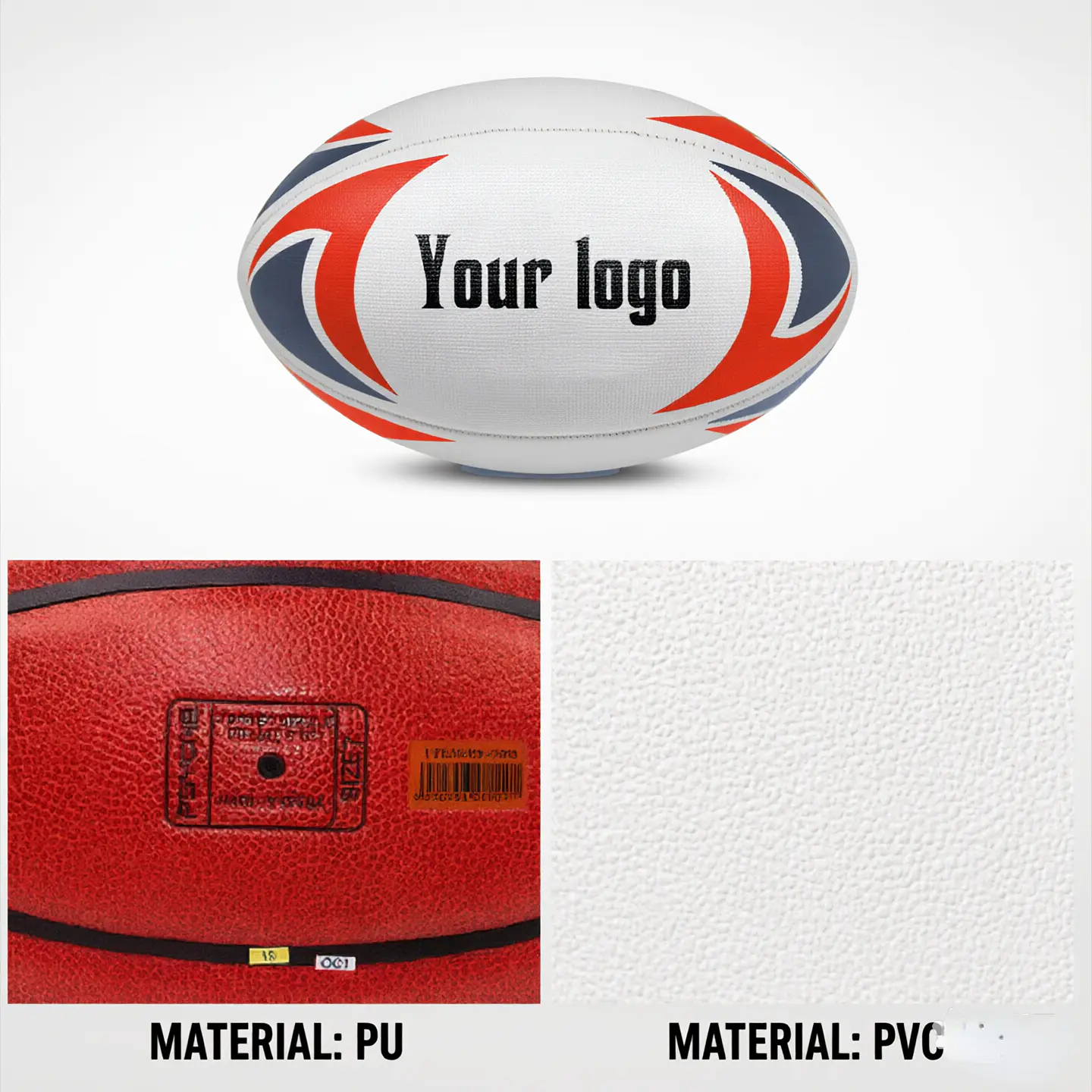
If you are sourcing rugby balls for a school, a local club, or a sports distributor, the first and most important question you’ll face is: What material should I choose?
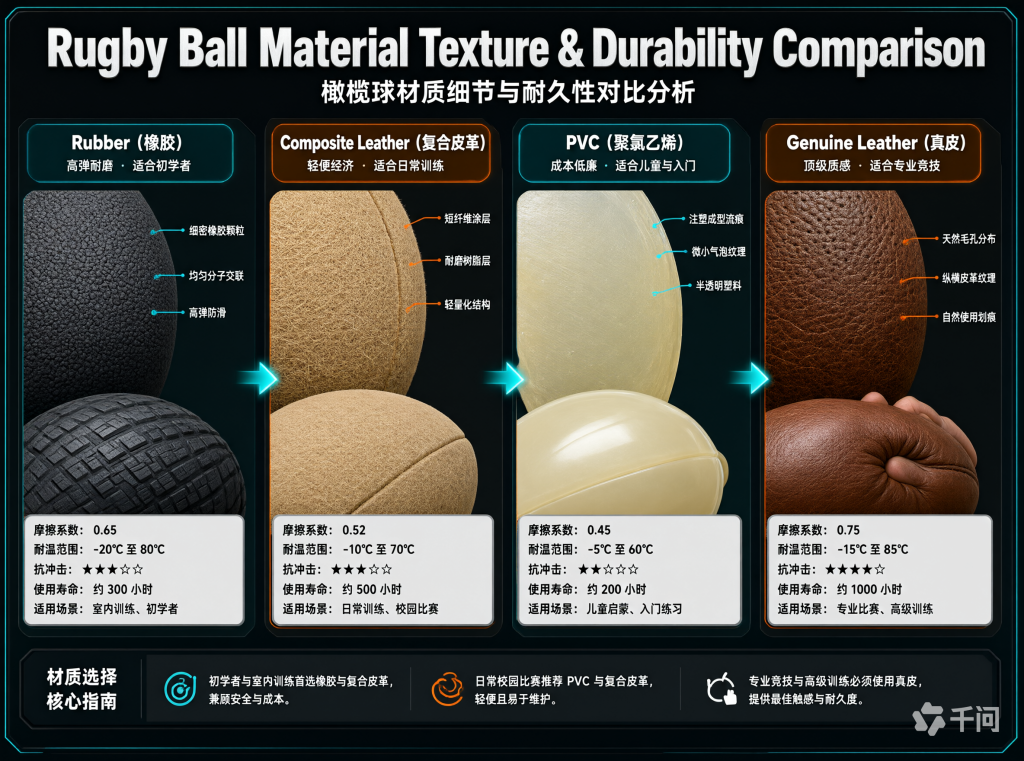
You will often see four main materials on the market: PVC, Rubber, Composite Leather, and Genuine Leather. Choosing the wrong one means either wasting your budget or giving your players a ball that doesn’t perform.
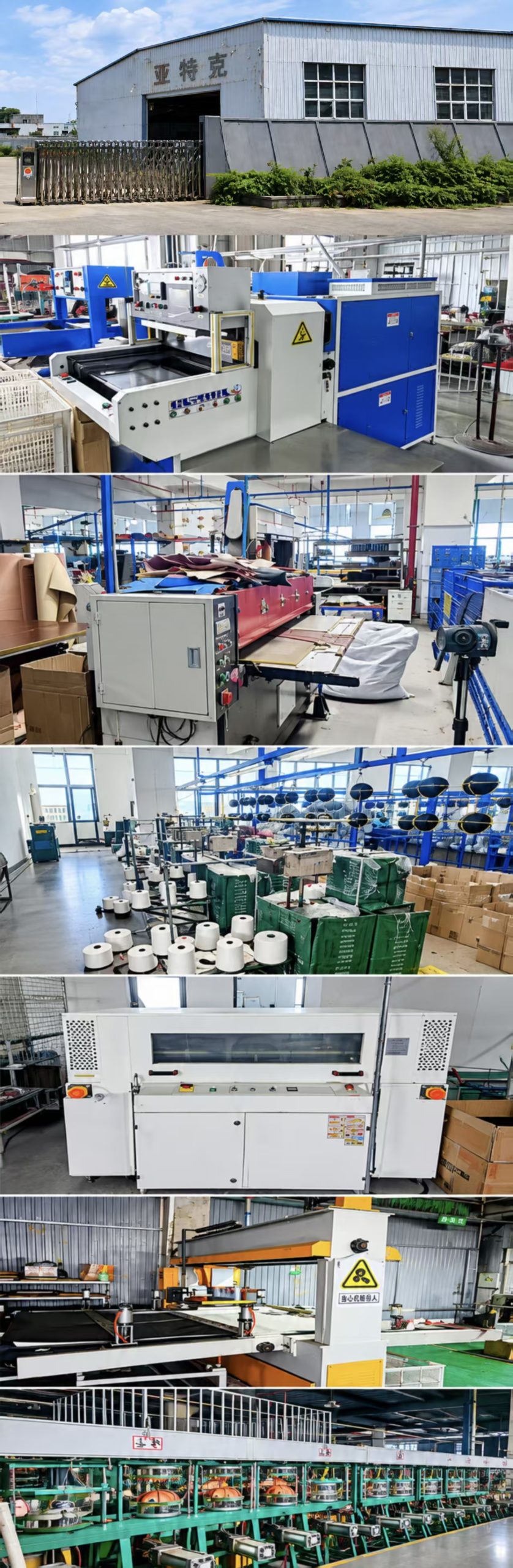
As a custom rugby ball manufacturer, we produce thousands of balls every month. We don’t believe in “one size fits all.” Here is a straightforward breakdown of each material to help you make the right decision.
1. PVC (Polyvinyl Chloride) – The Budget-Friendly Trainer
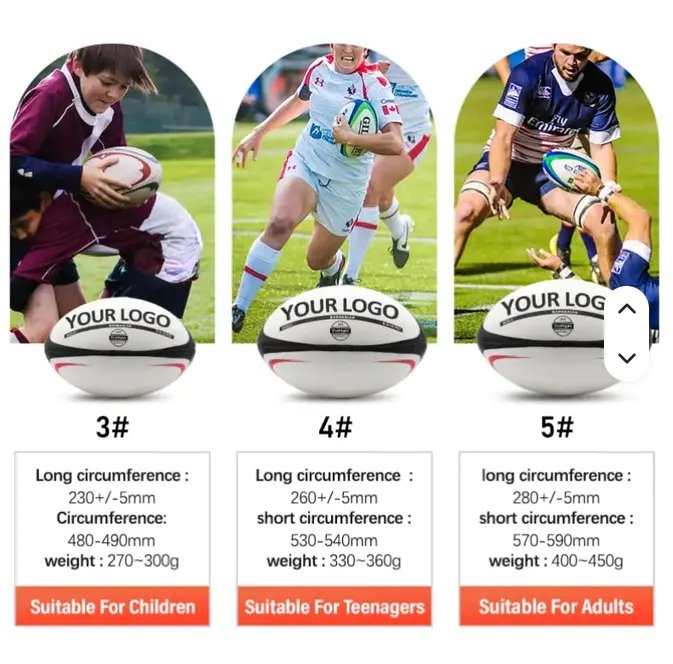
If you are buying for a primary school PE class or a youth camp where kids are just learning the basics, PVC is usually the best choice. It is the most affordable option.
The Good: Extremely cheap, easy to clean, and comes in bright colors. It is great for mass distribution.
The Catch: It feels a bit hard and slippery compared to natural materials. It’s not ideal for professional play, but for a school with a tight budget, it’s a lifesaver.
2. Rubber – The Tough Workhorse for Outdoors
Rubber balls are incredibly popular in Australia and New Zealand because they are virtually indestructible. If your teams play on hard grounds, concrete, or in wet weather, this is the material to look at.
The Good: Exceptional durability and water resistance. A good rubber ball can survive a whole season of muddy training sessions without peeling or losing its shape.
The Catch: It doesn’t absorb sweat as well as leather, so it can get a bit slick during intense summer matches. It’s perfect for training, but some players prefer a softer feel for actual games. You can browse our durable options in the bulk rugby balls section.
3. Composite Leather – The Best All-Rounder
This is the sweet spot for most adult clubs and high schools. Composite leather is a synthetic material designed to mimic the feel of real leather, but without the high cost and maintenance.
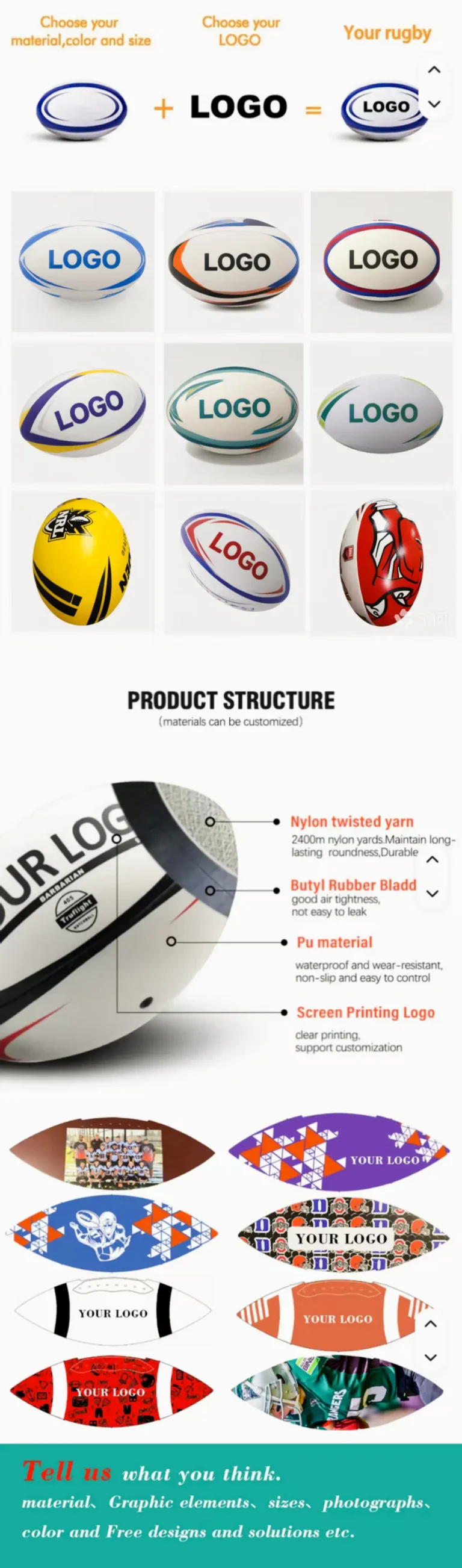
The Good: It offers a soft, tacky grip right out of the box (no break-in period needed). It is more durable than genuine leather and holds up well in light rain. It also takes logo printing beautifully, making it a top choice for custom branding.
The Catch: It is slightly more expensive than PVC or rubber. But for the performance upgrade, it is worth every penny.
4. Genuine Leather – The Pro Standard
This is what the pros use (like in NRL or Super Rugby). It offers the ultimate grip and feel.
The Good: The tackiness improves as the ball gets slightly wet or sweaty. Nothing beats the feel of a genuine leather ball in a serious match.
The Catch: It is expensive, requires regular conditioning, and will be ruined if left out in the rain or mud. It is only recommended for high-level match balls, not daily training.
Quick Comparison Table
| Material | Best For | Durability | Cost |
|---|
| PVC | Youth training, PE classes | Moderate | $ |
| Rubber | Outdoor training, wet weather | Excellent | $$ |
| Composite Leather | Club matches, high school | Very Good | $$$ |
| Genuine Leather | Professional matches only | Fragile (needs care) | $$$$ |
So, Which One Should You Order?
Here is my advice based on what we see from our clients:
- For Schools: Mix it up. Buy PVC for the younger kids and Rubber for the older students.
- For Local Clubs: Composite leather is the best investment for daily training and weekend games.
- For Distributors: Stock a bit of everything. Rubber sells best in winter, and Composite Leather sells best for custom team branding.
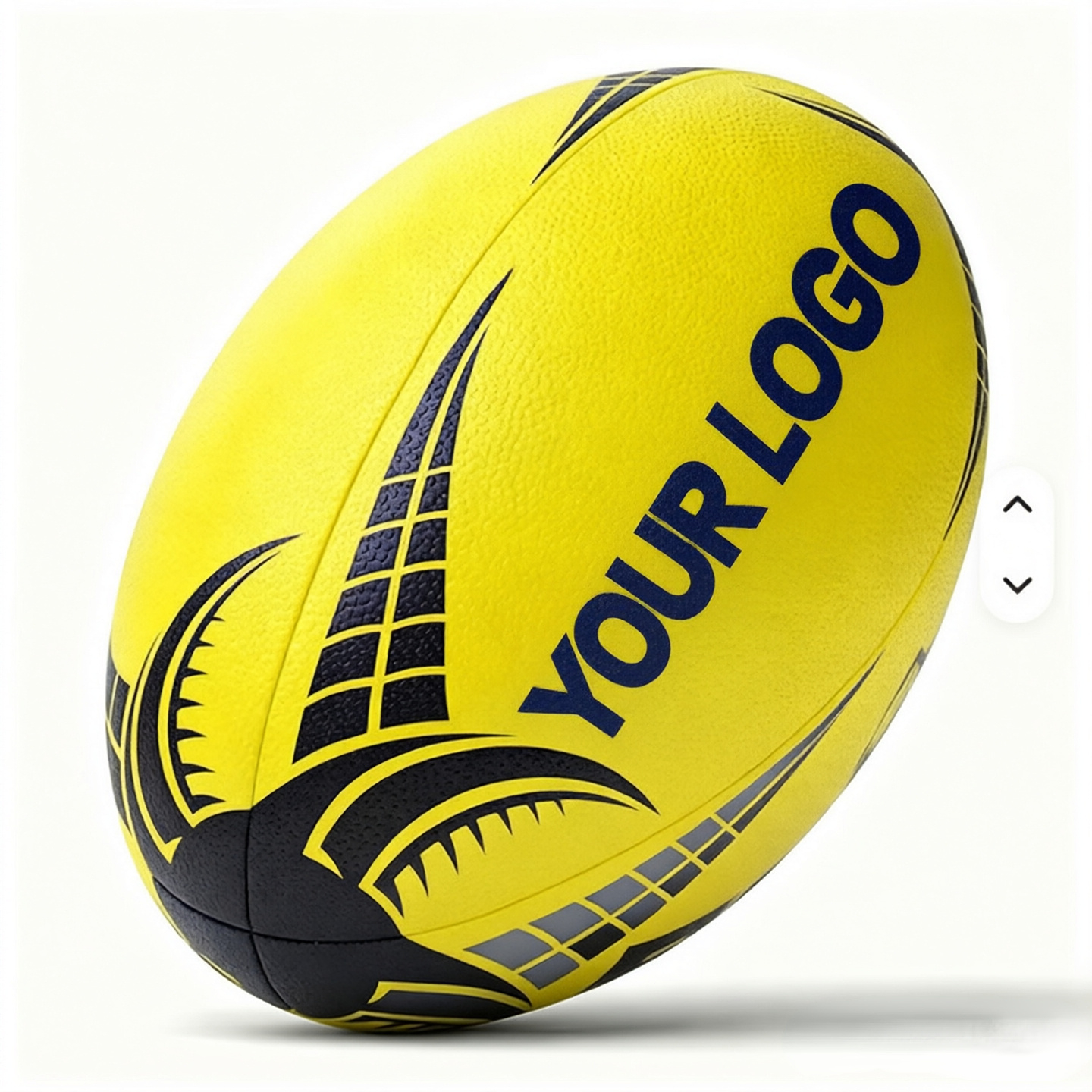
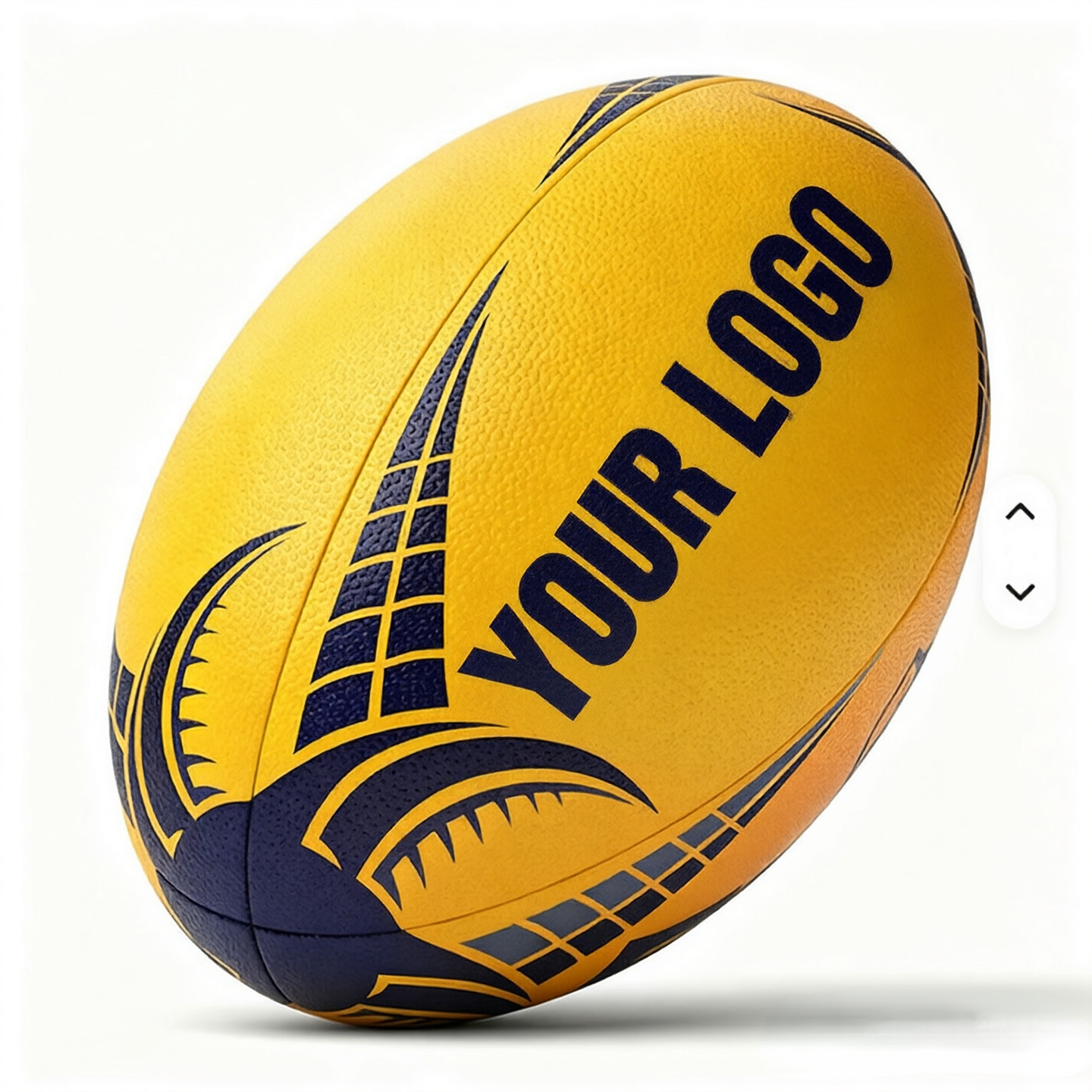
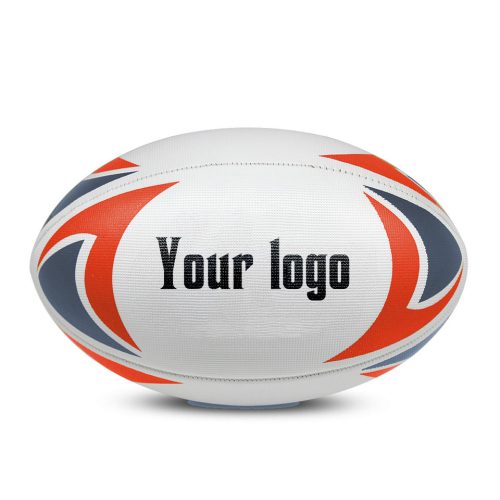
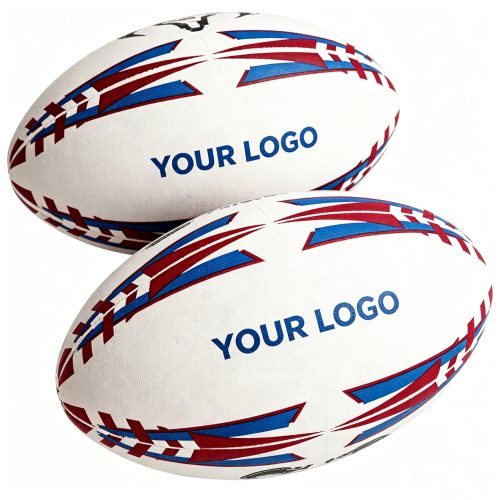
If you want to see exactly how a high-quality rubber or composite ball feels, take a look at our custom NRL style rugby league ball. It is waterproof, durable, and takes a printed logo perfectly.
Still not sure? Send us a message. Tell us who is playing and where they are playing, and we will recommend the exact material that fits your budget.
Get a Free Quote & Material Advice →


Reviews
There are no reviews yet.